1800 998 122Contact

gender equality Tag

Rev Cyrus Kung, Church Engagement Manager (SA & WA) at UnitingWorld reflects on his recent visit to Tacloban:
“I sat in a humid room in Tacloban City, Philippines, listening to Filipino theologians speak about what it means to follow Jesus in their context.”

I was there with Rev Philip Gardner, General Secretary, SA Synod, and Dr Sureka Goringe, UnitingWorld National Director, representing the Uniting Church in Australia at the 13th Quadrennial General Assembly of the United Church of Christ in the Philippines (UCCP).

Tacloban knows something about resilience. Many will remember its name spoken in the same breath as the devastation of Typhoon Haiyan in 2013*. To sit there, more than a decade later, among Christians full of faith and fire, was itself a kind of sermon.

The Assembly gathered under a theme simple and demanding in equal measure: “Walking with Jesus: Journeying with the Anawim”.

Anawim is a Hebrew word referring to the bowed-down ones, the poor, those who have nothing left to lean on except God.In Mary’s Magnificat, the Anawim are the ones God lifts while the proud are scattered. And in Jesus, God doesn’t send the Anawim a message from a safe distance – God becomes one of them, entering the story from the bottom.

I had read of this theology before, but I was struck when I heard it spoken by people for whom it isn’t academic.They weren’t reflecting on poverty from a comfortable distance. They were reflecting on it from within and finding, in Jesus, a living reason to keep going. I thought of the communities we walk alongside in Australia: the newly arrived, the isolated, the ones for whom Sunday morning is the one place they feel truly seen. Different context, same gospel. The same Jesus who moved toward the least and the lost calls us to do the same.

This is what partnership through UnitingWorld means. We may be far away, but we are walking the same road. When we support our UCCP sisters and brothers, through prayer, through giving, through showing up, we are not offering charity from above.

We are joining a journey already underway, toward a world where the hungry are filled, the bowed-down are lifted, and no one is left behind.

* In 2013 Typhoon Haiyan, also known as Super Typhoon Yolanda in Philippines, caused over 6000 deaths in Philippines. Because the Tacloban area has a high population in low-lying areas, it was a major centre of devastation and loss of life.

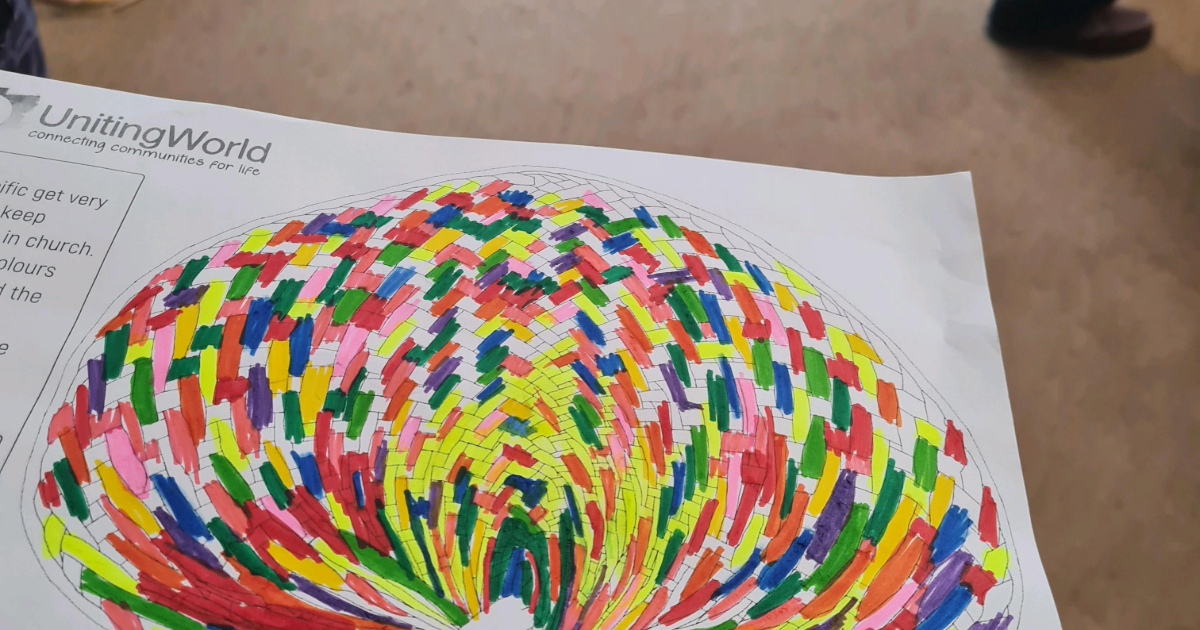
When Antony McMullen, Church Engagement Manager for Vic/Tas, visited Bacchus Marsh Uniting Church, the congregation experienced a shared act of learning, listening and reflection, exploring climate justice from the perspective of communities across the Pacific.

Antony facilitated a simulation game that invited people to think about unequal power relationships and the very different impacts of climate change.

The room was divided into two teams: one representing Pacific Island communities and one representing Australia. A children’s colouring activity brought brightness and creativity into the room. The simulation helped show, in a clear and practical way, that those who have contributed least to climate change are often among those who face its sharpest effects.

This is not an abstract issue. For UnitingWorld’s partner churches across Asia, Africa and the Pacific, climate change affects homes, livelihoods, food security, safety and the future of whole communities.

Our partner churches are at the heart of local responses, walking alongside people through change, loss and hope. The activity did not try to offer easy answers. Instead, it opened space for deeper awareness and care, using gentle humour to help the congregation engage with a serious topic.

The visit reflected something central to UnitingWorld’s work: partnership begins with listening. It grows through mutual respect, prayer, learning and shared responsibility.

Australian congregations have a role to play by standing with our partner churches, supporting locally-led work, and keeping climate justice before our communities.

It reminded us that our relationships across the Pacific are not distant or symbolic. They are part of who we are as a church.

UnitingWorld gives thanks for congregations who continue to learn, pray, give and act in support of partner churches across Asia, Africa and the Pacific.

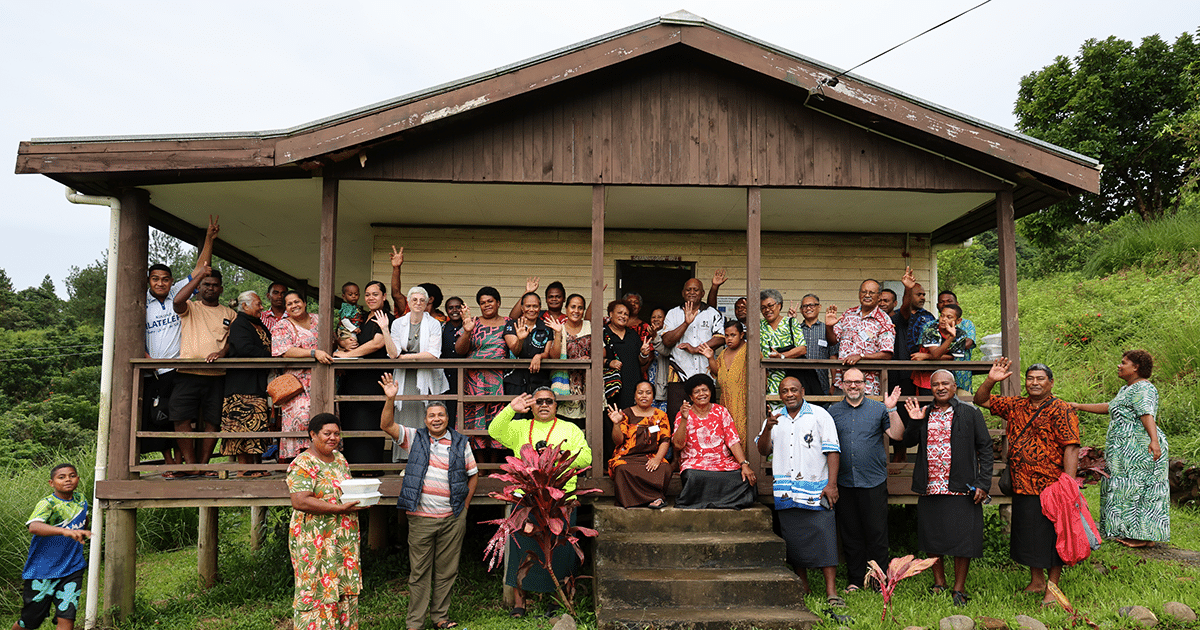
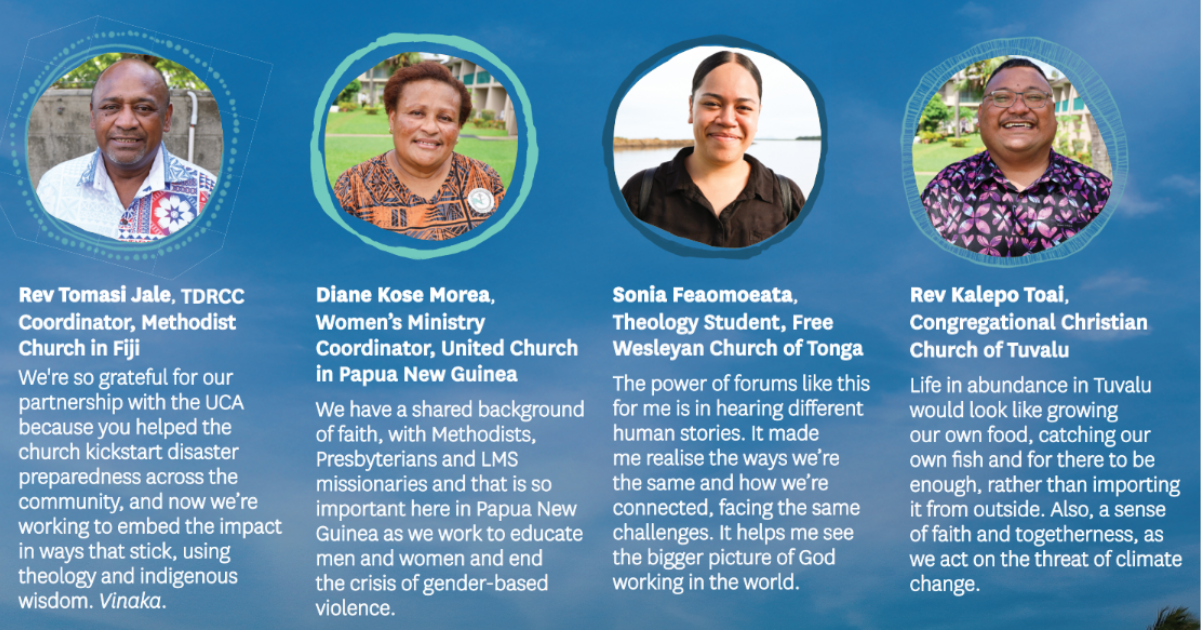
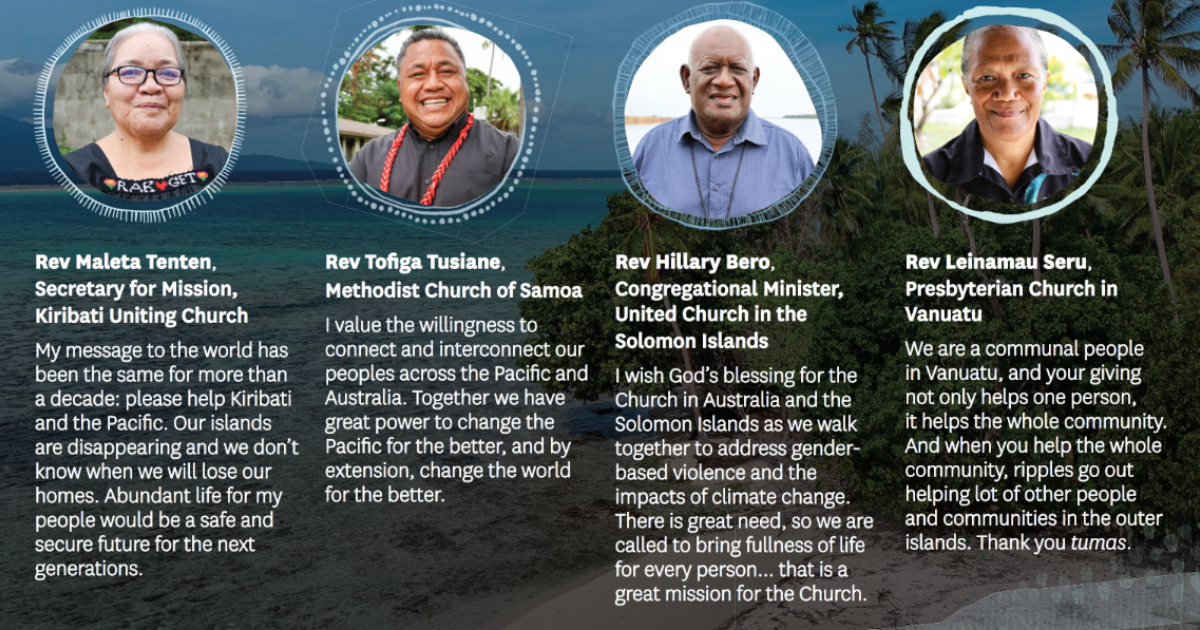
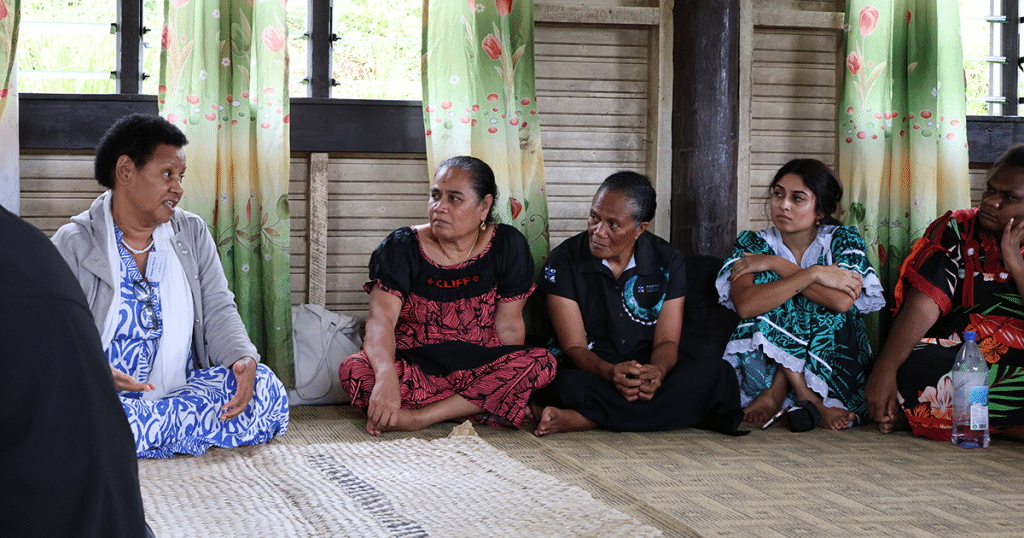
We recently hosted our Annual Pacific Partners Forum in Nadi, Fiji, bringing together delegates from ten Pacific church partners from across the region with a focus on climate resilience and ending gender-based violence.

We asked delegates about the challenges they’re facing, what “abundant life” looks like in their communities and what partnership means to them.

Below are some of their answers and messages to you!


20–24 April 2026 | Nadi, Fiji

Church and community partners from across the Pacific came together in Nadi, Fiji this week for UnitingWorld’s Pacific Regional Forum 2026, a week of listening, learning and renewing commitment to shared mission.

Participants joined from Fiji, Papua New Guinea, Tonga, Vanuatu, Solomon Islands, Tuvalu, Kiribati and Samoa, alongside UnitingWorld staff, and representatives from the Pacific Conference of Churches and Pasifika Communities University.

Confronting the climate crisis together

The forum brought into sharp focus the devastating human and environmental toll of climate change across the region. With tears and honesty, participants shared the lived reality of rising seas and saltwater intrusion across low-lying atoll nations like Tuvalu and Kiribati, where the threat is not distant but existential.

“The rising seawater is contaminating water sources, degrading agricultural land, and deepening uncertainty for families in Kiribati,” said Uniting Church in Kiribati Secretary for Mission, Rev Maleta Tenten.

“We are now forced to import most of our food, because it is so hard to grow in our soil now. The heath impacts are a crisis. Our islands are disappearing. We urgently need to work together to save Kiribati.”

A community visit brought these realities home. Forum participants travelled to an inland village that had been forced to relocate after deadly landslides destroyed their homes and buried a family alive. It was a sobering, powerful reminder of why disaster risk reduction and community preparedness are central to the church’s work in the Pacific.

Hope, action and equitable leadership

Alongside these difficult stories, participants heard powerful accounts of hope,  churches across the region working together to transform lives and communities. Forum sessions also explored how gender-equitable leadership and participation are essential to building communities that are resilient, prepared and sustainable.

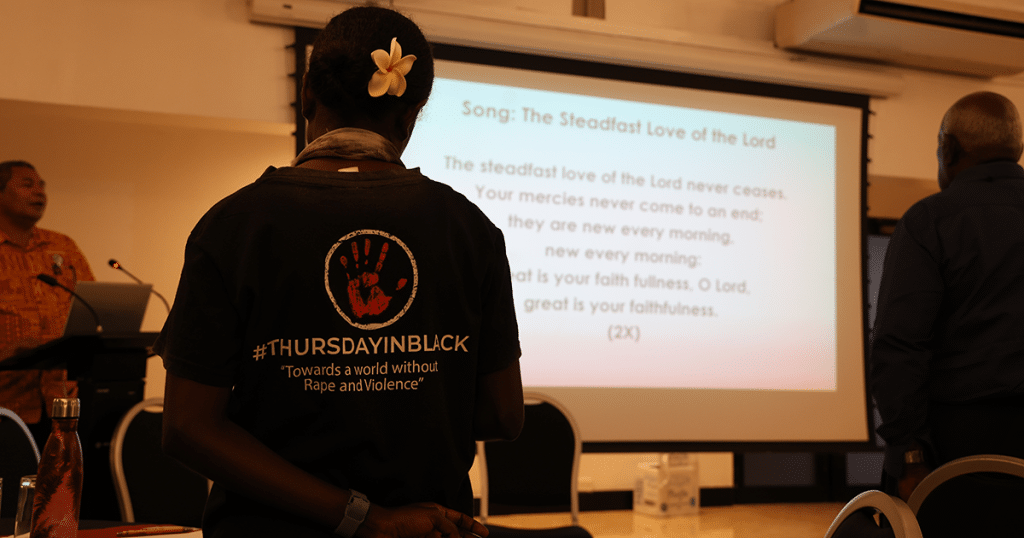
In solidarity with these commitments, forum participants marked Thursdays in Black, the global campaign standing with victims and survivors of gender-based violence, and challenging the cultures of silence that allow it to continue.

Walking together

“UnitingWorld’s Pacific partnerships are built on relationships of mutuality, respect, and shared vision,” reflected National Director Dr Sureka Goringe.

“This forum is one expression of that, a space where Pacific church partners lead, share and strengthen the work they are already doing in their communities, and that we are blessed to support.”


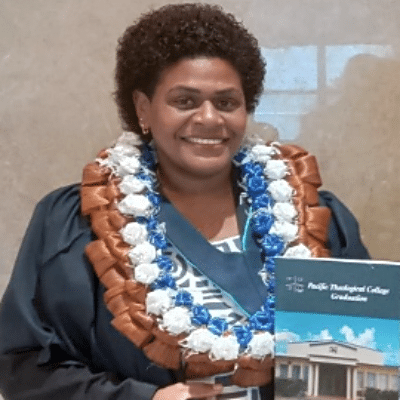
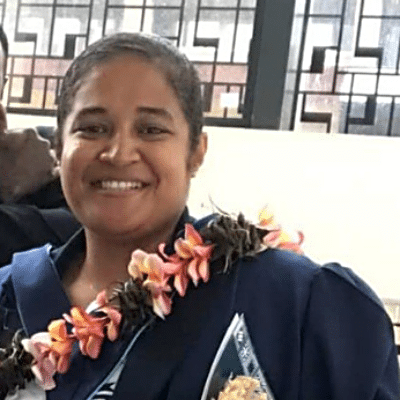
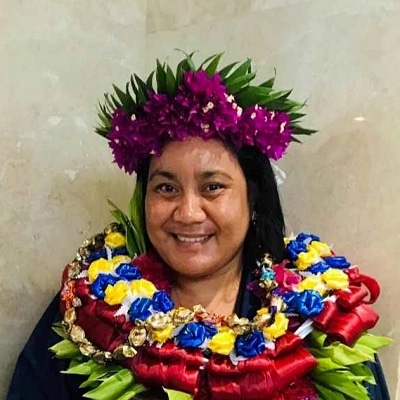
In 2024, we are continuing to support five of the brilliant scholars we supported last year: Asinate, Amalaini and Toobora at Pacific Theological College (PTC), and Mela and Luisa at Davuilevu Theological College (DTC). Both colleges are in Fiji. The scholars are now halfway through Semester 1 of 2024 and are all due to finish their studies at the end of this year. We are also continuing to keep in close contact with Rev Geraldine while she finalises her PhD.

All students are continuing to achieve great academic results.

In big news for PTC, the College is currently transitioning to become a university to be known as Pacific Communities University (PCU)! This transition includes two new schools of the university, infrastructure development and a communities-based model of education.

Thank you to the supporters of our Women in Ministry project. Your support, both financial and prayerful, is so appreciated by the students, their families, their churches and the team at UnitingWorld.

Blessings,

Mia Berry                                                                 Mardi Lumsden
International Programs Manager                  Donor Relations Manager

Student Updates

Rev Geraldine is continuing to finalise her PhD thesis. To support her studies she is working part-time at the Institute for Mission and Research at PTC, writing up some of their new coursework which she is really enjoying. She is working closely with her supervisors to submit her PhD by June, and then hopes to take up a teaching position at Davuilevu Theological College.

Rev Geraldine

Congratulations are in order for Toobora, Amalaini and Asinate, who all graduated with their Postgraduate Diploma of Theology at the end of 2023; the halfway point to graduating with their Master of Theology (MTh) at the end of this year!

Asinate and Amalaini both noted that one of their standout learnings from last semester was studying different interpretations of the books of Daniel and Revelation. They really enjoyed diving deeper into these parts of the Scripture and shifting their perspectives. Asinate said: “I realised through taking this course last semester that [Revelation] has more to do with the past and what the people of those contexts went through, rather than the future. The book of Revelation is not as scary as we were raised to believe.”

Outside of their studies, Asinate is enjoying being part of the Student Body Association and Amalaini is leading Bible studies for a local youth group most Sundays.

Toobora is currently at home in Kiribati due to delays with processing her and her son’s visas to return to Fiji after the Christmas holidays. She is persevering with her thesis writing from abroad and is in touch with her supervisors, but is wishing to return to the PTC campus as soon as possible.

Amalaini

Asinate

Toobora

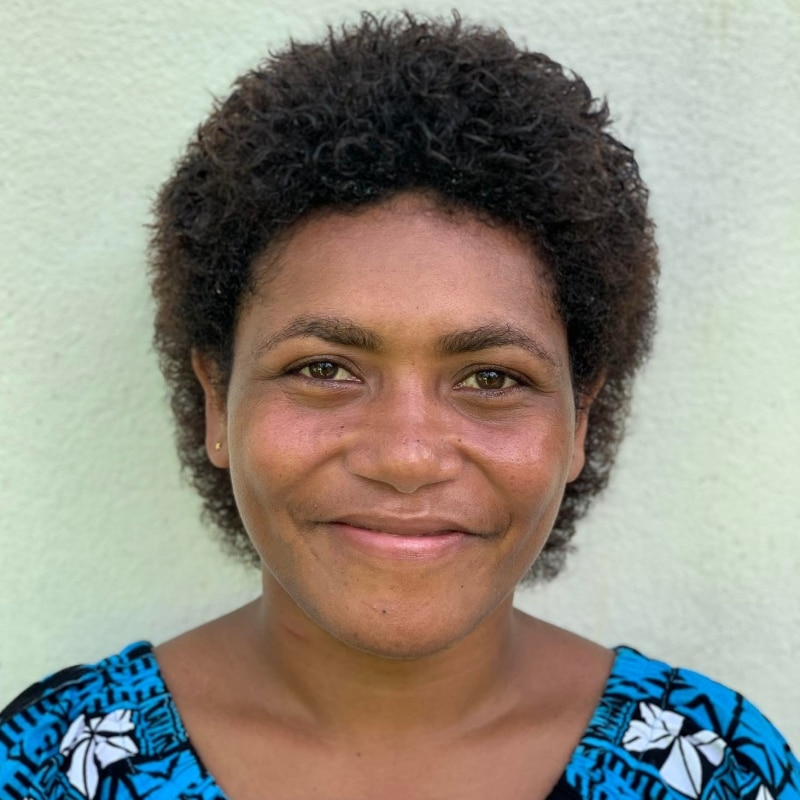
Mela has been enjoying putting her learning into practice through her placement church assignment last semester. Mela explains: “These placement churches were meant for us to practically apply what we learned in the classroom, such as ways to serve people, house-to-house visitations, and approaches to talking to a man or woman who is willing to repent.”

Mela found this experience incredibly valuable.

“I have gained skills in approaching different age groups both in theory and in practice,” she said. “I plan to practically use these approaches to meet the spiritual needs of people of all genders, statuses, and races, and to help women with their spiritual needs.”

Mela

Luisa also had some eye-opening experiences in her Institutional Chaplaincy course last semester. As part of the course, she visited different institutions including the CWM Hospital, Naboro Prison, two high schools, Lelean Memorial School, and John Wesley College.

She reflected on her experiences saying, “I can say here that every course I took in my second semester of 2023 was an eye-opener to me. It helps me to know every little thing about the unique spiritual needs of people in the setting where the chaplain serves.”

Luisa

UnitingWorld visit to Suva

UnitingWorld held a Pacific Partner Learning Forum in mid-March in Suva, which saw around 35 people from across our Pacific partner churches meet in Fiji for five days of fellowship, sharing learnings, and shaping future priorities for their regional collaboration. The forum was held onsite at PTC, which allowed us to attend daily chapel and spend time with several staff members at PTC and, of course, the wonderful scholars!

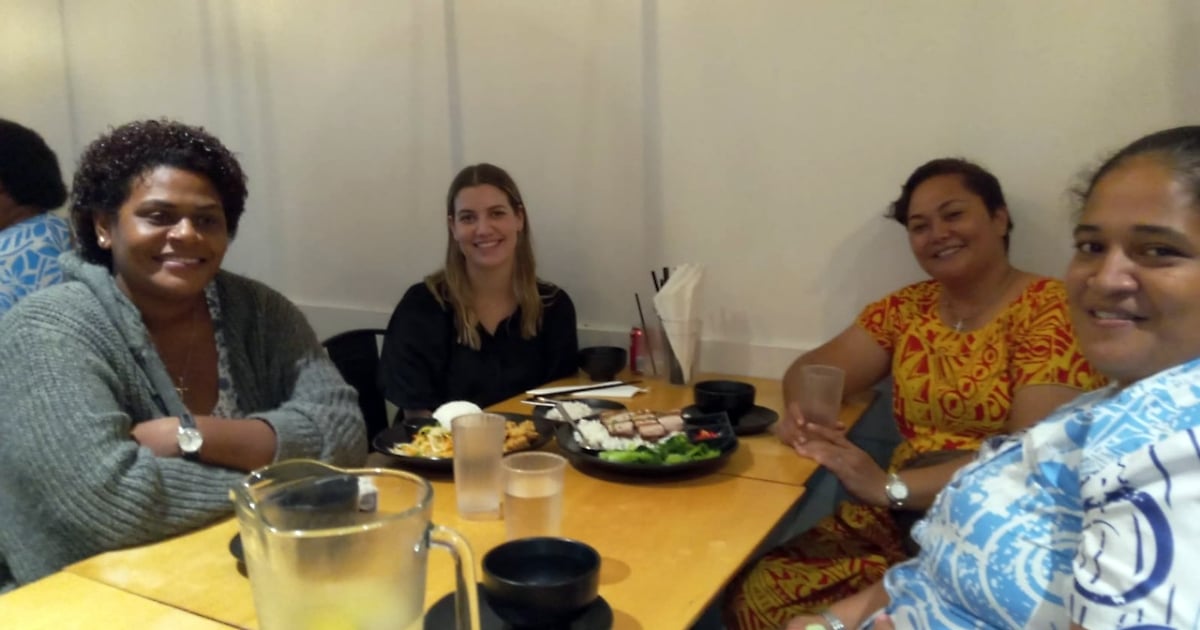
Mia from UnitingWorld shared a meal with Amalaini, Asinate and Geraldine (pictured above) and had a tour of the PTC campus, which was wonderful. Unfortunately, Toobora was in Kiribati at the time.

Past Women in Ministry scholar, Pastor Leinamau from Vanuatu, attended part of the UnitingWorld forum. She is currently completing her PhD at PTC. It was great to reconnect with her and to have her valuable inputs into our conversations on Gender Equality and Child Protection within Pacific churches. UnitingWorld previously supported Pastor Leinamau to study a Master of Theology in 2018-19.

Mia with WiM scholars at PTC
Pastor Leinamau

In so many places around the world, relationships between men and women can be a source of much pain, anger and suffering. Violence against women is distressingly widespread, not only in less developed nations but in our own communities. And attitudes are so deeply entrenched, in some places neither men nor women understand where their beliefs and actions come from, let alone how to change them.

In the Pacific, churches are starting with the heart, and their approach is proving incredibly successful.

But they have a very long road to travel. Vanuatu, for example, is one of the most difficult places in the world to be female. Rates of violence against women and girls are among the highest on the planet.

Like most places in the Pacific, Vanuatu regards itself as a deeply Christian nation. The Bible is revered and on Sundays, large numbers of people attend worship. How is there such a disconnect between the love of God and record levels of gender based violence?

Pacific churches are realising how much change is needed to transform the relationship between women and men, and in partnership with UnitingWorld, are working on ways to make it happen.

The most effective tool by far?

The example and teaching of church leaders who have personally undergone huge shifts in how they understand the role of women and men. These men have the reach and influence to create change at local and national levels- and they’re up for the challenge.

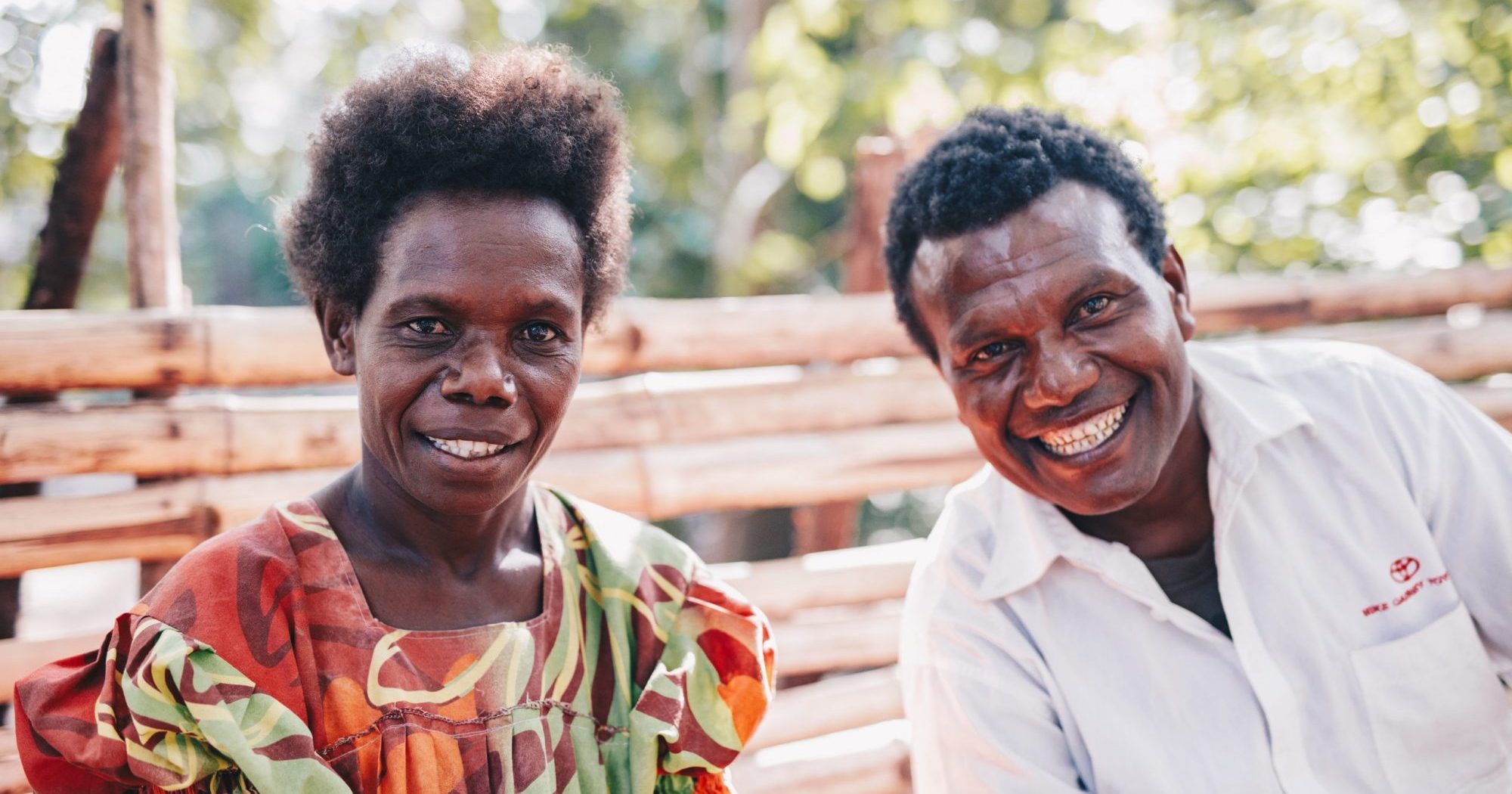
Elder Jennery, pictured above with his wife Faina, is from Tanna, one of the southern islands of Vanuatu’s archipelago. People live in traditional ways and are proud of what it means to be ni-Vanuatu. Jennery took part in a Gender Equality Theology (GET) workshop back in February 2016, and his views and lifestyle were completely transformed as a result. You can hear him talk about the experience, alongside his wife, here.

“When I arrived home, I went straight to my wife and called her “Darling” and hugged her,” he relates. “She was confused because I never did this to her. I then apologised to her and told her about the GET workshop.”

So what’s a GET workshop, and does it produce more than affection for wives?

Elder Jennery and other workshop participants heard from the Scriptures that men and women are created equal in God’s sight.

They read passages that revealed Jesus’ love and inclusion of women, and heard about God’s desire that women and men work together, serving one another and the community in love.

For many men, this is completely eye opening information. The insights have never been presented in quite this way before – and certainly never really heard. The casual superiority of men, and their abuse of this power in the form of violence, was entirely debunked. There could be no justification of the treatment of women as possessions, or of the way they are systematically repressed within many Pacific cultures.

Elder Jennery took the new information to heart.

Keen that his wife understand the full extent of his transformation, he encouraged her to attend a five-day workshop, run by the Presbyterian Women’s Mission Union (PWMU), “so that she could develop her understanding and knowledge, and especially take a break from the housework.”

In response to her concerns that the housework would go untended and the children neglected if she were to attend, he made good on his new values.

“I told her that I would take care of the children, bought her a new dress and took out from my pocket 2,000 vatu for her needs,” Elder Jennery says.

“For the first time for both of us, we did something new. I took care of the children during the absence of my wife, did the cooking, washing of plate and clothes, preparing the children’s lunch box, and my wife left the housewife responsibilities and attended a workshop…

Friday, the end of the week, I was in the kitchen peeling the tapioca [root crop] when she came back from her five days’ workshop. She sat outside the kitchen and started to talk about her experience and what she had learned. She was so excited.”
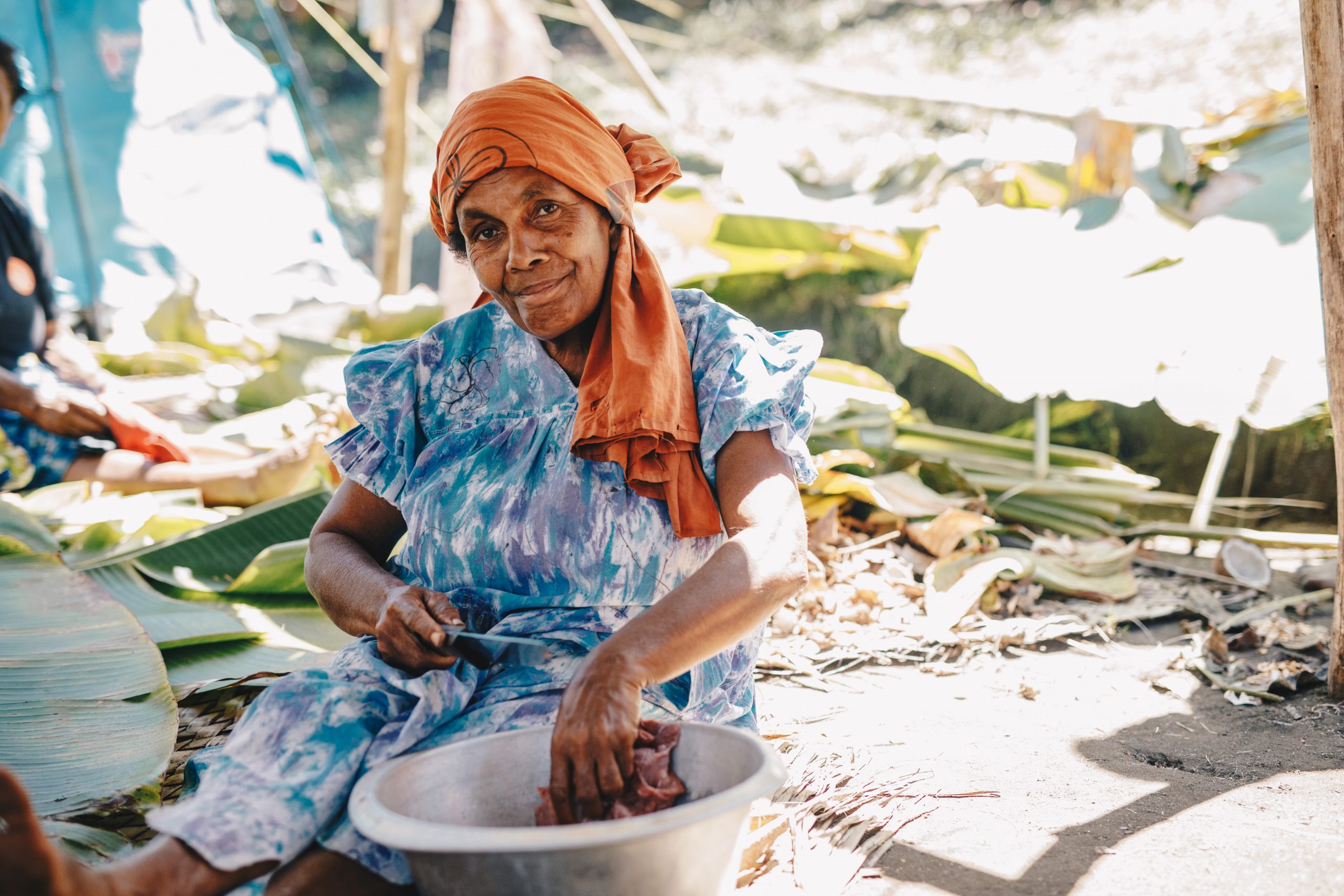
For good reason. This is how change begins – in the hearts and lives of ordinary people.

Church communities are by no means exempt from the darker aspects of the patriarchal culture they’ve inherited. It’s commonplace for men to discipline their wives with violence of all forms. Women are mostly left in sole charge of household duties and care of their children, meaning they can’t work outside the home or create any economic independence.

Even a simple change in the way men and women relate will have far reaching consequences both now and for the next generation.

“My husband started to help me with the responsibilities at home and with the children and also looked after them when I went to work,” says Jennery’s wife, Faina.  “After he did the training I realised he loves me and loves the children – that’s when I saw change.”

Confidence in the love of men for children, too, is critical. Children learn quickly from their parents and community what their culture permits and restricts – and violence has long been condoned.

In a study on Vanuatu by UNICEF in 2015, 17% of women who experienced violence from their partner said their children were beaten at the same time.

They reported that their children:

  • experience nightmares (16% increase)
  • display aggressive behaviour (19% increase)
  • need to repeat a year of school (12% increase)
  • drop out of school (14% increase).

Elder Jennery has become aware of these statistics and their implications for the future of his people.

“I really want my children to live this kind of life, with women and men equal,” he says. I want my children to follow a new path. We need more of this program, to help run more courses.”

Practical changes

For Elder Jennery, the commitment to a better way for his children has meant exerting his influence as a leader within his community. He travels with his wife more often and they share their educative work. One area of practical change has been in the way their community now involves women in decision making.

Women in Tanna have been traditionally excluded from a direct role in village decision-making through the ‘nakamal’ (meeting place). Every day at 4pm, all the men and boys have to be at the nakamal to have men’s talk. This exclusion is echoed in higher levels  of leadership where Church, provincial and national governance structures remain male-dominated.

Due to the influence of Elder Jennery and others, men in his community now accept that women can take leadership roles and have the right to speak in a public place. Since 2018 they have ordained six women as Elders in his session.

Jennery also encouraged his wife to learn Bislama and go to a midwife workshop – she is now the village midwife and has helped reduce the number of maternal deaths and stillbirths in the area. More children are in school, too: both girls and boys.

The community has also seen a reduction in violence against women. Elder Jennery and others have continued to run GET workshops, and the outcomes have been significant.

“On the second day of the workshop I realised that I was abusing my wife and children,” one prominent village Elder admitted after he attended the training.

“My community know about me and knew that I am an Elder, but I am abusive. I have used knife, axe and physical force to abuse my wife, but this workshop helped me to realise that my actions are wrong and I would like to openly confess to my community that I will never again practice violence in my home. The GET workshop has helped me understand that we men and women are equal because we are created in the image of God and we must love and treat each other well.”

Perhaps most significantly, the change is being recognised as necessary not simply because some men behave badly, but because of deeply entrenched cultural attitudes that require an overhaul. Opening the Scriptures, and with them the hearts of both men and women, holds real potential to make it happen.

“I think we need to admit that this part of our culture is not in line with God’s word,” a significant village leader declared after attending the Gender Equality Theology workshop.  “It is time for us to start to choose God’s way instead.”

This is the life changing, deeply transformative work that your gifts are helping to fund. Thank you!

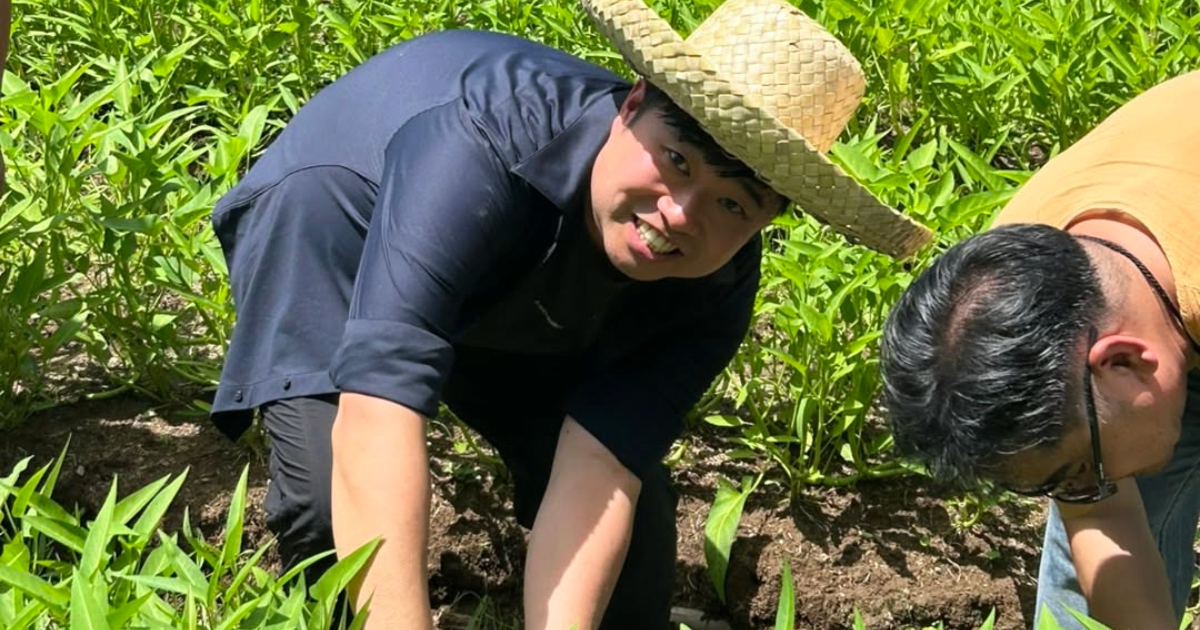
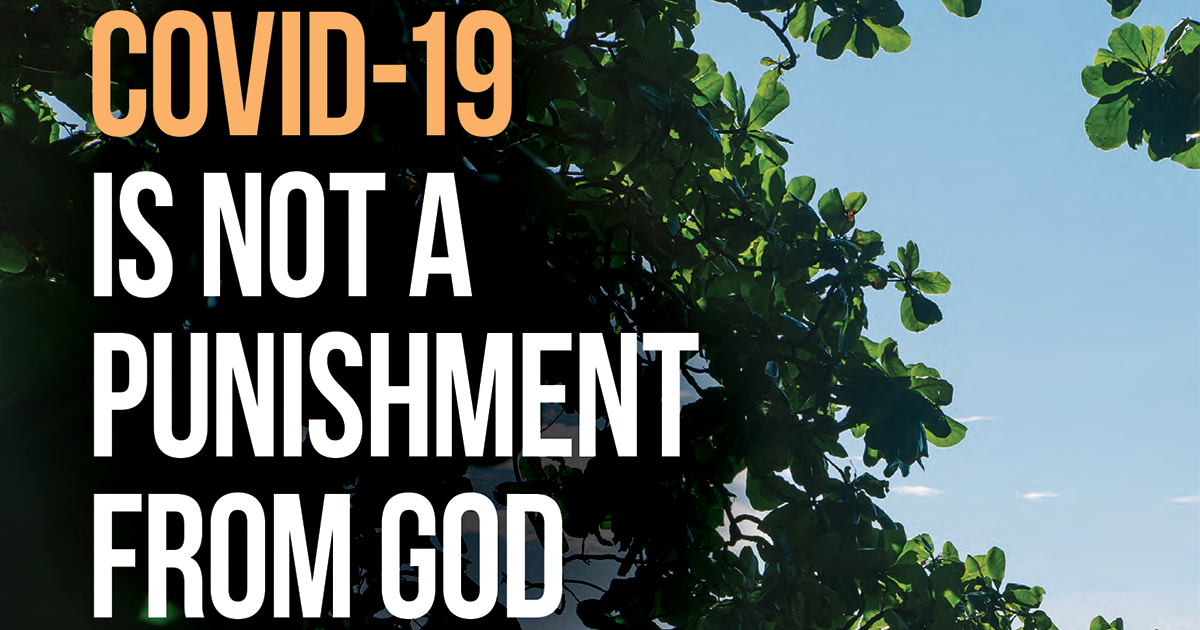
Pacific church leaders and theologians have been guiding people of faith through the COVID-19 crisis. 

When the COVID-19 pandemic first hit the region, Pacific Island nations were quick to guard against the disease with safety lockdowns. The limited health infrastructure across much of the Pacific meant its populations were particularly vulnerable.

Pacific churches too were proactive in urging people to follow official health and safety advice during lockdowns, as well as giving theological guidance to help people of faith (the vast majority in the Pacific) understand and respond to the crisis. A proliferation of misinformation and dangerous theological framings has made their messages even more important.

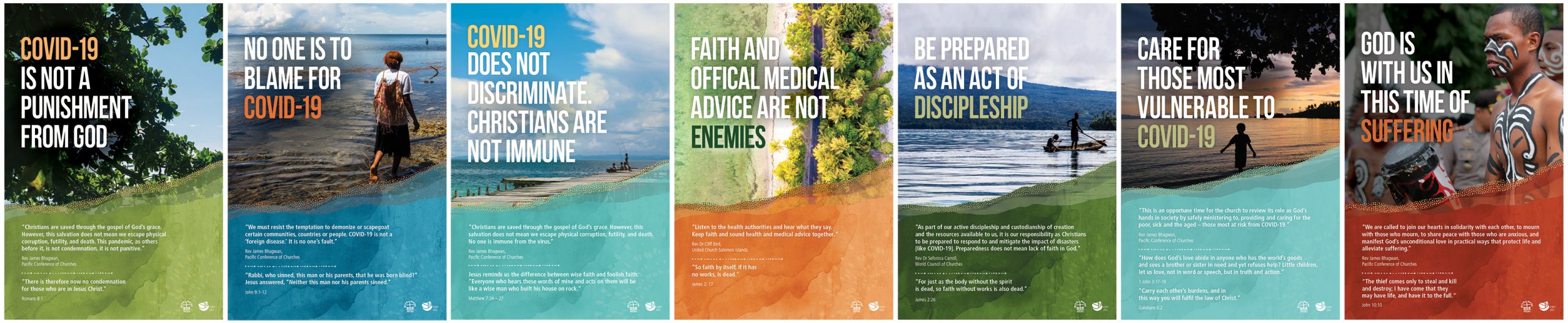
A series of pastoral letters put out by the Pacific Conference of Churches (PCC) as well as several letters and social media posts circulated by prominent Pacific Christian leaders created an opportunity to consolidate the themes into a set of key theological messages.

The key messages were then turned into a series of seven printable posters and social media assets that could help amplify important pastoral guidance during the crisis.

Reverend Dorothy Jimmy of the Presbyterian Church of Vanuatu (PCV) has been sharing the messages in her church and her words have reached people nationwide. One of her Sunday sermons was broadcast on national television and she used the opportunity to share the messages as well as reflections on gender-based violence and the need to promote dignity and protection in the home during COVID-19.

She also led follow-up daily devotions that were broadcast over a week, each morning and evening highlighting a message from the resources, Biblical Theological Guidance during COVID-19 and Messages on Dignity and Protection in the Home during COVID-19 (14 in total).

“People told me, ‘we saw you on TV! It was really good to hear a message about what God’s word says about what we are currently going through,’” said Rev Dorothy.

“The TV producer said he had never heard that sort of practical theology coming out [of the church].”

“A lot of people are looking to the Church right now in regard to what is happening.”

Martha Yamsiu Kaluatman, the Gender Focal Point of PCV said many people were hearing the ideas shared by Rev Dorothy for the first time.

“Many people I spoke to said they loved hearing the message on that issue [COVID-19] and on being resilient,” said Martha.

“It’s a new message to them.”

As part of the Gender Equality Theology project in Vanuatu, Martha, Rev Dorothy and the Presbyterian Women’s Missionary Union (PWMU) Gender Team ran an awareness workshop and used the theological messages with 36 women leaders in North and South Efate Presbyteries on 24 and 30 June.

The feedback from the women leaders was positive and helped highlight the need for clear and positive theological messaging during crises like COVID-19.

“Most of us have been confessing – because of our misunderstanding of COVID-19 as a punishment from God and we blame other people as well,” said a participant.

“The message challenged me because I was upset with the people of China and anyone from China.”

Many of the leaders committed to sharing what they learned at the workshop with others in their communities.

“I have to go and help others that have negative thoughts. I have learned that COVID-19 is not a punishment from God.”

“We must not blame others for COVID-19, and I must be kind to them because everything has its seasons.”

UnitingWorld Project Manager Aletia Dundas says the power of the messages relies on how they are picked up and adapted by churches in their local contexts.

“The key messages were consolidated in this way to be contextualised, translated and used by churches to inform people about what is going on and how to respond faithfully to the crisis,” said Ms Dundas.

While a lot of bad theology has emerged during the COVID-19 crisis, many of the harmful messages have come to the Pacific from outside and are being countered by Pacific theologians.

“Pacific leaders and theologians are challenging harmful theology with strong positive theological messaging in support of government and health messaging, and against stigmatisation and blame. These messages identify preventative measures and identifying it as an act of faith.”

“The posters aim to amplify their messages,” said Ms Dundas.

Churches in the Solomon Islands and Vanuatu have already adopted and translated the messages, and churches in Papua New Guinea used the initial PCC pastoral letters to create their own series of posters.

You can download the English and Bislama (Vanuatu) versions of the resources here.

Another series of posters and shareable key messages are being developed from the Messages on Dignity and Protection in the Home during COVID-19 resource. Stay tuned!


This project is a collaboration of UnitingWorld, CAN DO and the Pacific Conference of Churches, in close collaboration with UnitingWorld’s partners in the Disaster READY project (the United Church Solomon Islands, the Presbyterian Church of Vanuatu, the United Church in Papua New Guinea and the Methodist Church in Fiji).

Funding was provided by the Church Agencies Network – Disaster Operations (CAN DO), a consortium of faith-based agencies that was formed to better coordinate and strengthen our global humanitarian, disaster risk reduction and resilience-building work.

Funding from the Australian Government through the Australian Humanitarian Partnership is supporting the translation and adaptation of messages in some countries.

Read about the innovative ways our Pacific partners have been responding to COVID-19 crisis

Imagine two groups – one male, one female – crouched around a sheet of butcher’s paper.

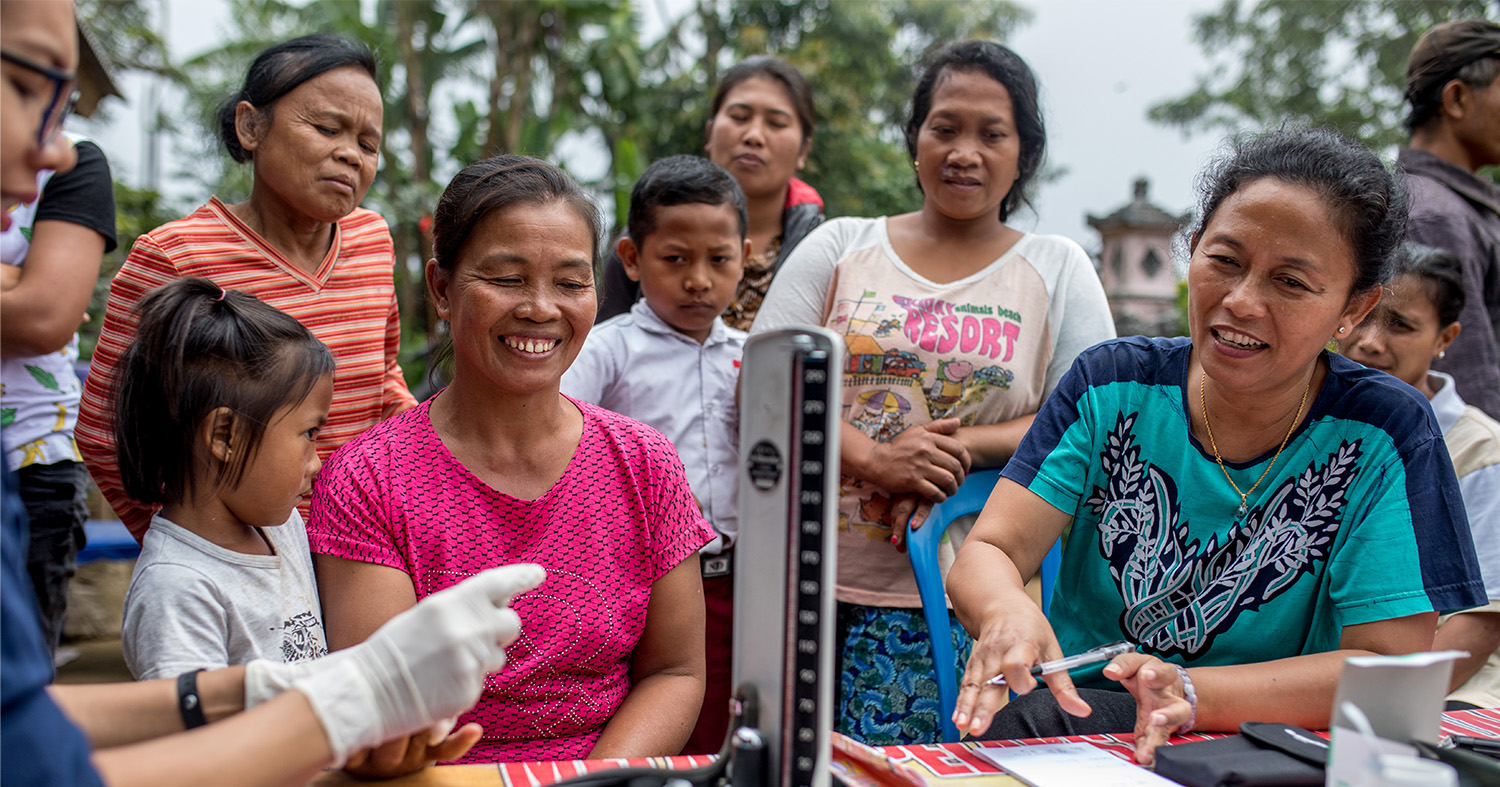
In regional Bali, Indonesia, village members have been asked to note on the image of a large clock what their activities are throughout the day, with men and women commenting on each other’s use of time. The results are fascinating.

“Activities like this help illuminate the differences between men and women, and motivate people to take action,” says Associate Director, Jane Kennedy. “Throughout Indonesia, women are still often regarded as home makers, ‘overly emotional’ and without the capacity to make decisions or offer community leadership. The result is financial dependency, unequal sharing of domestic tasks, untapped potential and the risk of unchecked violence.”

We’ve heard your commitment to women and men as equal partners in God’s world, and your dreams for healthy and hopeful communities.

Through our partner the Protestant Church of Bali, we’ve been using your gifts help fund an approach our partners call “The Model Village”. We co-operate with a range of donors to address gender justice, health, water, sanitation, education and income development concurrently with the input of all members of the community. Your funding is helping elevate more women into positions of leadership on committees that design and apply for community grants; it’s providing communities with knowledge about how to protect children and other vulnerable people; it’s giving access to innovation like selling locally-produced tea, coffee or handicrafts online. The Model Village works!

We want to keep the work strong as Balinese communities struggle with the impact of COVID-19. Heavily reliant on tourism, the economy and health systems are both at risk of being decimated and plunging vulnerable communities further into poverty.

Your gifts are making it possible.

If you have a heart for this work and the wellbeing of our close neighbours, please donate today.

This project is supported by the Australian Government through the Australian NGO Cooperation Program (ANCP). Thanks to ANCP, we’re making a huge difference together; lifting families out of poverty and helping people improve their lives.

The horrific murder of Hannah Clarke and her three children Aaliyah, Laianah and Trey last month by her former partner has renewed an important conversation about the prevalence of men’s violence against women in Australia.

The discussion has focused on the critical legal and funding issues that need to be addressed, but many experts argue that we must also work to change attitudes and behaviours to prevent violence long before it ever occurs. As domestic violence researcher Dr Sue Heward-Belle argues:

As Australia is left reeling over the tragic deaths of yet another woman and her young children, we must reflect on our own attitudes towards domestic violence, and what we can do as a community to counter these types of behaviours.

We can all help to shift the society-wide attitudes that justify, minimise or ignore violence. And we can all be part of building solidarity for a safer world.

How do we do it?

We can treat violence against women as the crisis it is.

On average in Australia, one woman a week and one man a month is killed by a current or former partner. One in six (1.6 million) women have experienced physical and/or sexual violence by a partner since age 15.

Australian police currently deal with 5,000 domestic violence matters on average every week – one every two minutes. ABC News have created an interactive counter to highlight the prevalence of the violence.

The problem also affects our wider Asia-Pacific region, where rates of violence against women and girls are far higher than the global average. (Our partners are leading a dialogue and empowering advocates to address the issue).

What can we do to draw attention to the crisis?

Follow the lead of women’s movements.

On April 30, 1977 a group of 14 Argentine mothers gathered in the Plaza de Mayo in Buenos Aires to demand answers about their children “disappeared” by Argentina’s brutal military dictatorship (1976 – 1983). Their action defied the regime’s law against mass assembly, but despite the risk to their lives the women would gather every Thursday to demand answers and seek justice.

As the number of disappeared grew, the movement grew, and the Mothers of the Plaza de Mayo were able to gain international attention to the ongoing human rights violations. The women were deemed as “subversives” and five of the leaders were kidnapped, tortured and murdered by the regime. But the women persisted.

Their movement was a catalyst to building a consensus so broad that the dictatorship’s days became numbered. The women’s fight for justice then continued for decades into the democratic era. They would eventually get the answers they demanded, giving closure to hundreds of people whose loved ones were murdered during the regime.

40 years of turning up – and not giving up.

Wear black on Thursdays

Thursdays in Black is a global campaign that was started by the World Council of Churches (WCC) and its approach was inspired by movements of courageous women like the Mothers of Plaza de Mayo. You can read about the others here.

The WCC relaunched Thursdays in Black on International Women’s Day this year, urging churches and people of faith to join the movement of wearing black in solidarity with women facing violence.

Every Thursday, staff at UnitingWorld and many of our international church partners wear black as an act of solidarity to honour women everywhere facing violence and injustice.

It’s a small gesture, but a powerful symbol of our unity of purpose and commitment to act.

Imagine how powerful it would be if every person of faith thought this issue was important enough to turn up every week for. I’d like to think that most of us already do, we just don’t actually turn up.

How to get involved

It’s simple:

Wear black on Thursdays. And if you have one – wear a badge to declare you are part of the global movement resisting attitudes and practices that permit rape and violence. Show your respect for women who are resilient in the face of violence and injustice.

Start conversations about the issue and encourage others to become advocates themselves.

Get in touch at info@unitingworld.org.au if you’d like us to send you out a badge.

We’re also collecting photos of participating partner churches here. Church partners from Papua New Guinea, West Papua, Bali, Fiji, Vanuatu, Kiribati and the Solomon Islands all participate. Some have been involved for many years. Inspiring!

Send us yours: info@unitingworld.org.au

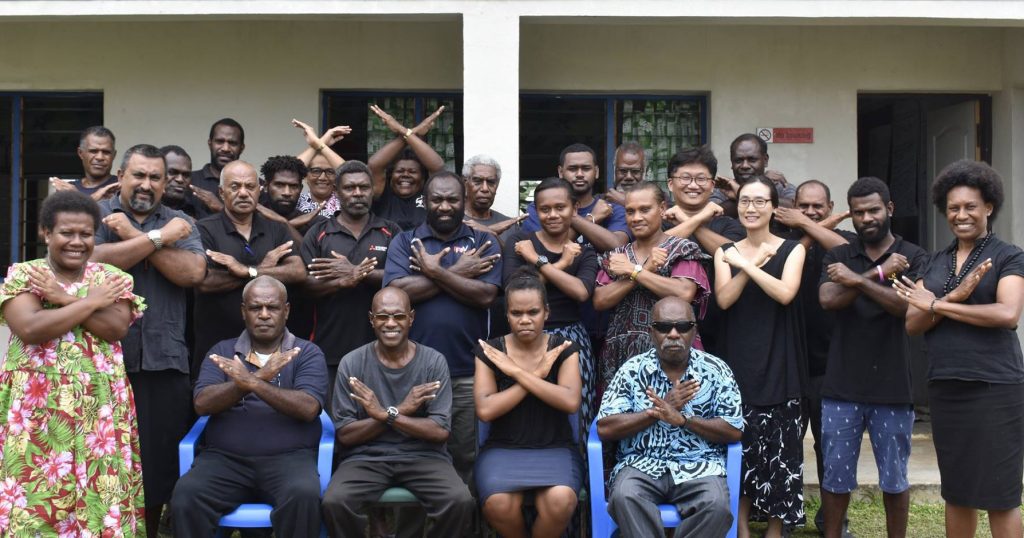
Bible college teachers and youth leaders of the Presbyterian Church in Vanuatu. Photo by Martha Yamsiu Kaluatman

UnitingWorld is the international aid and partnerships agency of the Uniting Church in Australia, collaborating for a world free from poverty and injustice. We support Pacific churches to lead a dialogue in the theology of gender equality and address violence against women in their communities. Read more.

 Click here to support our work.

In September we asked you to help support Pacific women in the fight against inequality and violence. And you responded, donating over $58,000 so far, and sending beautiful words of encouragement for your Pacific sisters!

Throughout the year we’ve been heartened to see more men attending workshops that address equality, hear more stories of changes in family and community life and a gradual take up of biblical messages around the equality of women and girls.

If you want to inspire your congregation with a real-life story of change, watch Pastor Nipi’s testimony from Vanuatu at www.unitingworld.org.au/pacificwomen 

“I never knew what gender balance was or what it meant in relation to the Bible,” Pastor Nipi said. “At first I thought – what is this ‘gender balance’ they are talking about? We never believed men and women could be equal. But as I made my studies and we talked, I realised there is something there for me to learn! It has infected me! I like it!”

Thank you for the $58,000 you’ve given so far for this project. Your gifts will:

  • Pay trainers for workshops for advocates against violence against women
  • Help develop and distribute Bible study material to be used in difficult to reach places in Fiji, Vanuatu, Papua New Guinea and the Solomon Islands

We continue to need funding to provide places for women and men to attend training for anti-violence advocacy in Kiribati and Tuvalu, where our work is just beginning and critically needed. In these communities, women are still unable to practice leadership even if they are trained for the positions, and the issue of domestic violence desperately needs to be addressed. If you’re still planning to give, we’d gratefully receive your gift for this work at www.unitingworld.org/pacificwomen

Here are a few of the messages of support we’ve been delighted to pass on to our friends in the Pacific:

Dear Sisters in the Pacific, I encourage you to remember John 10:10 “I have come that you may have life, and have it abundantly.” Please believe and discuss the biblical understanding that men and women are equal. I am sorry that earlier church teaching has disempowered women. I encourage you all to follow your dreams, to claim equality with all people, to take up any opportunities for learning and employment, to know that you are not alone. Women in Australia support and pray for you. 

–Jennifer

Keep going. Stay strong. I admire your bravery

– Aasha (11yrs)

I look forward to receiving news about how my friends in the Pacific Islands are going. I was very excited to read the account of Past Lima Tura and activities in Timor Leste. I like to show the photos to my grandkids. One of my favourite verses is Philippians 4:19. It says “My God will meet all your needs according to his glorious riches in Christ Jesus.” 

– Anon

Hello my sisters in Christ, I encourage you to continue to make the gospel of Jesus Christ known, sharing His love and His power to transform lives. There is no male or female in Christ so do not think yourselves inferior in any way, for you were created in His image to give Him glory. Your brother in Christ.

– Gordon

Thank you everyone who sent messages!

*Header Photo: Uniting Church in Australia President Dr Deidre Palmer with emerging leaders of the Presbyterian Church in Vanuatu